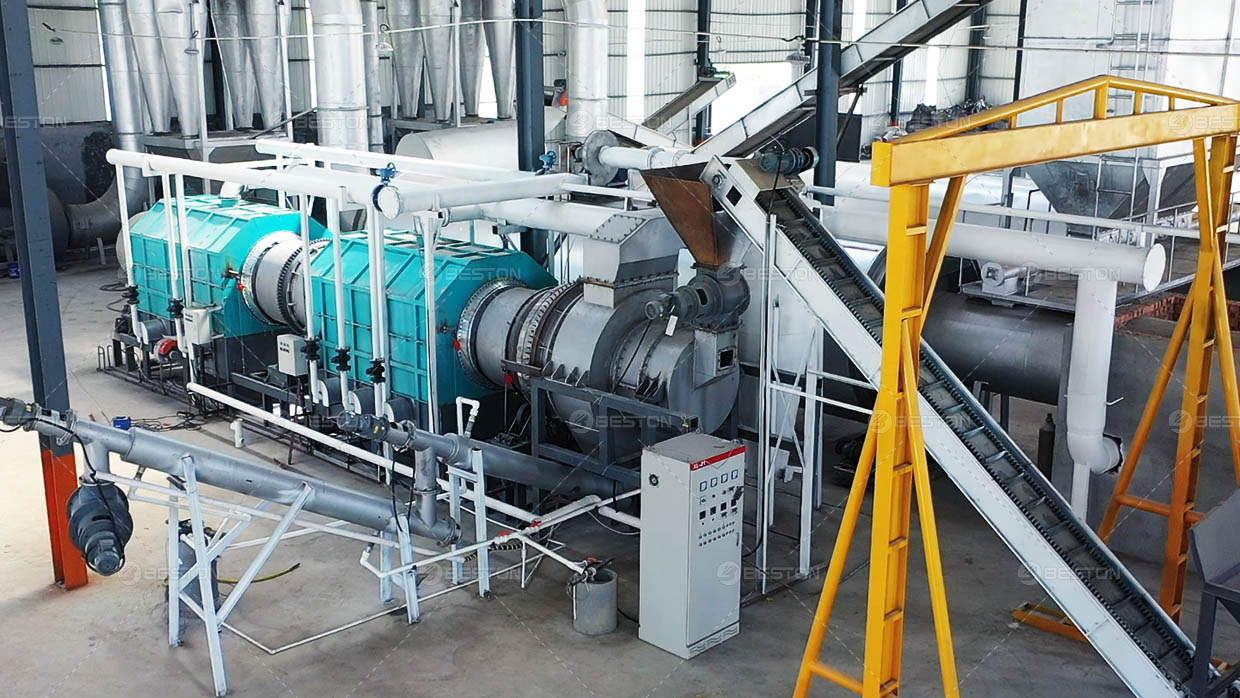
Biochar quality is determined not only by feedstock composition but also by the stability of operating conditions inside the thermal conversion system. During machine operation, variables such as temperature, residence time, moisture, oxygen ingress, and feed rate directly influence carbon structure, volatile matter, ash content, and fixed-carbon concentration. A well-controlled biochar production process therefore requires continuous monitoring rather than relying solely on final-product inspection.
Temperature Stability
Temperature is one of the most consequential parameters in biochar production. Within a biochar equipment system, the thermal profile determines the extent of devolatilization and the resulting physicochemical properties of the char. Excessively low temperatures can leave substantial volatile matter in the product, while excessively high temperatures may increase energy consumption and alter surface chemistry.
Temperature sensors should monitor critical points in the reactor and heating system. Maintaining a stable thermal regime helps prevent inconsistent carbonization and reduces fluctuations between production batches. Automated temperature regulation is particularly useful when feedstock properties vary during operation.
Feedstock Moisture and Particle Size
Feedstock preparation has a direct effect on reactor performance. High moisture content consumes thermal energy through evaporation, reducing the energy available for pyrolysis and potentially extending the required residence time. Consistent particle dimensions are equally important because uneven material can produce non-uniform heat transfer.
Before feeding biomass into a carbonizer machine, moisture and particle size should therefore be checked against the equipment’s operating specifications. Homogeneous feedstock supports more predictable heat penetration and improves the reproducibility of the final biochar.
Oxygen Control and Residence Time
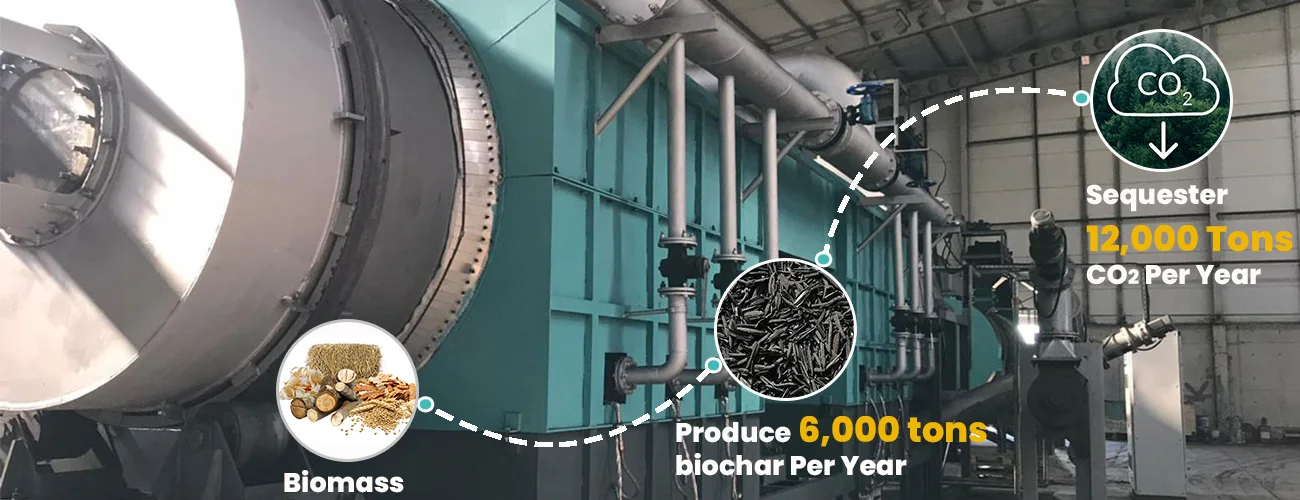
Pyrolysis requires restricted oxygen conditions. Uncontrolled air infiltration can cause partial combustion, temperature excursions, and deterioration of carbon yield. Seals, feed systems, discharge points, and pressure conditions should be inspected routinely to minimize oxygen ingress.
Residence time also deserves close attention. Biomass that moves too quickly through the reactor may undergo incomplete carbonization, whereas excessive residence time can increase thermal demand without necessarily providing proportional quality improvements. The appropriate residence time depends on feedstock characteristics, reactor configuration, and target biochar properties.
Carbon Content, Ash, and Volatile Matter
Operational control should ultimately be connected to measurable product characteristics. Fixed carbon, volatile matter, ash content, moisture, and pH provide useful indicators of whether the process is operating within the intended range.
A sudden increase in volatile matter, for example, may indicate insufficient thermal exposure. Conversely, elevated ash content can reflect feedstock contamination or excessive concentration of inorganic constituents. Laboratory testing combined with process data creates a more reliable quality-control framework than visual inspection alone.
Monitoring Energy and Production Efficiency
Energy consumption is another practical parameter. Operators should track fuel input, recovered process gas, feed rate, operating temperature, and biochar output. These data can reveal gradual deviations in reactor performance before they become major operational problems.
This information is also relevant when evaluating the biomass pyrolysis plant cost because thermal efficiency, feedstock preparation, fuel consumption, and production capacity all influence the overall economics of a project. A technically sound system should therefore be assessed through both product quality and energy performance.
Selecting Equipment for Consistent Biochar Production
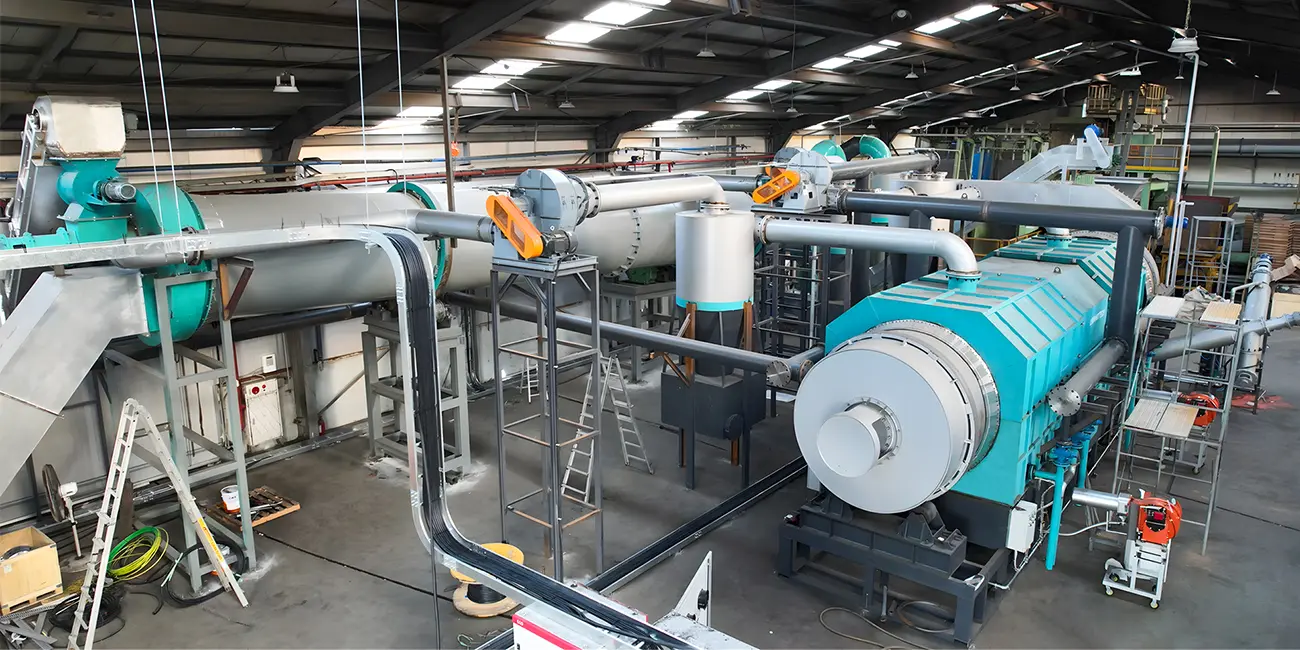
When evaluating a biochar reactor for sale, prospective operators should examine more than nominal capacity. Temperature-control accuracy, feeding stability, reactor sealing, residence-time control, discharge design, and monitoring instrumentation are important indicators of process controllability.
A modern biochar system should provide sufficient instrumentation to record operating parameters and identify deviations promptly. Whether the installation is a compact carbonizer machine or a larger industrial pyrolysis line, systematic process monitoring remains central to producing biochar with consistent characteristics.
Quality control is ultimately a feedback loop: feedstock data influence operating conditions, operating conditions determine thermal conversion, and laboratory results verify the resulting biochar. Maintaining this loop allows process parameters to be adjusted before variability compromises production quality.