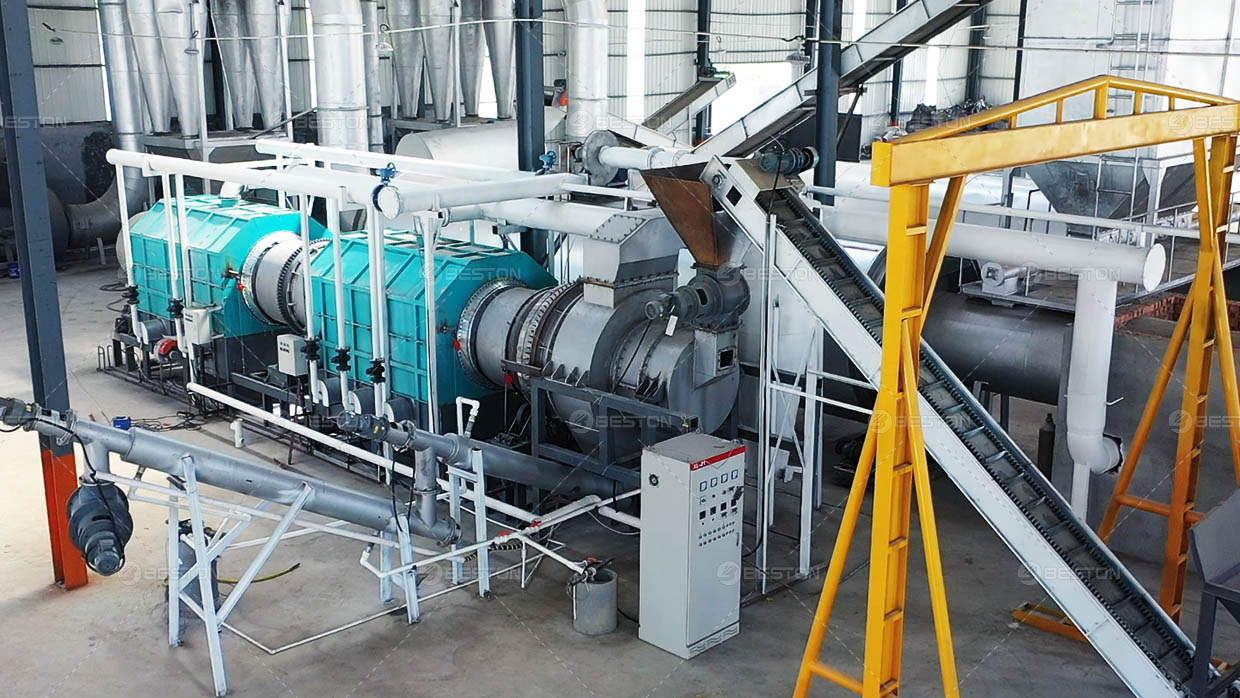
The global carbon credit economy is expanding as industries seek practical methods to reduce greenhouse gas emissions and support climate mitigation strategies. Among emerging solutions, biochar production has gained attention because it combines waste management, renewable resource utilization, and long-term carbon storage.
Biochar is produced through the thermal conversion of biomass under limited oxygen conditions. This process stabilizes organic carbon within a durable material that can remain stored for extended periods when applied in appropriate environments. As a result, biochar production equipment has become an important technology for generating carbon removal opportunities while creating value from agricultural and forestry residues.
Converting Biomass Waste into Carbon Removal Assets
Agricultural and forestry industries generate substantial quantities of biomass residues, including wood waste, coconut shells, rice husks, and crop by-products. Traditionally, these materials may have limited economic value and can contribute to environmental problems when improperly managed.
Modern carbonization technology changes this situation by converting biomass into stable carbon products. A carbonization machine creates controlled thermal conditions that remove volatile compounds while preserving a concentrated carbon structure. The resulting biochar can be used in soil applications, environmental treatment, and industrial processes.
The carbon stored within biochar represents a potential carbon removal asset. When verified through recognized carbon accounting systems, these removals can contribute to carbon credit generation. This creates an economic connection between biomass conversion technology and global climate markets.
The Role of Specialized Biochar Production Equipment
Different biomass materials require different processing approaches. Equipment selection influences production efficiency, biochar quality, and carbon retention capability.
A wood charcoal making machine is designed to process woody biomass efficiently. It typically focuses on achieving consistent carbonization conditions that produce carbon-rich material with stable combustion and structural characteristics. This type of equipment supports forestry residue management while creating additional value from discarded wood materials.
A coconut shell charcoal making machine specializes in converting dense coconut shells into high-quality charcoal products. Coconut shells contain significant fixed carbon content, making them suitable for applications where durability and carbon concentration are important. Processing these agricultural residues helps reduce waste while supporting renewable carbon production.
A rice husk charcoal making machine addresses the unique properties of rice husks, which contain silica and require optimized thermal treatment. Efficient processing allows rice-producing regions to transform abundant agricultural by-products into useful biochar materials instead of relying on disposal methods.
Each equipment category contributes to a broader carbon management framework by enabling localized biomass conversion and increasing access to carbon reduction projects.
Improving Carbon Credit Project Feasibility
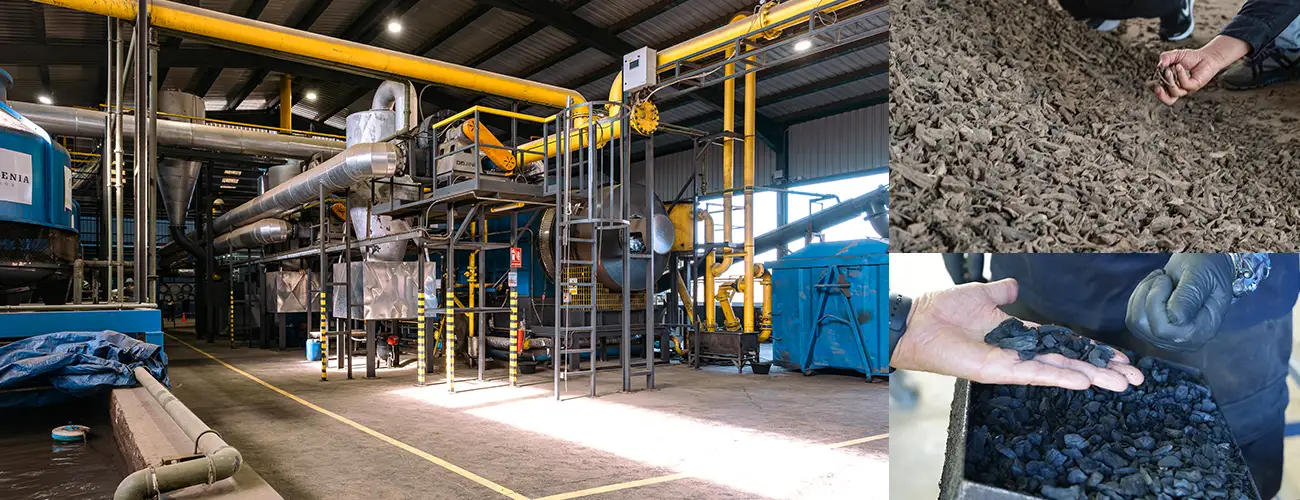
Carbon credit projects require reliable measurement, reporting, and verification of carbon storage. Coconut shell charcoal making machine supports these requirements by providing controlled production conditions and traceable output characteristics.
Stable operating parameters, including temperature control, residence time, and feedstock management, influence biochar properties and carbon durability. Advanced equipment can improve consistency, making it easier to document production data for carbon accounting purposes.
Energy efficiency is another important factor. Many modern systems recover combustible gases generated during carbonization and reuse them as process heat. This reduces external fuel consumption and improves the overall carbon balance of the operation.
Expanding Economic Opportunities Through Carbon Markets
The integration of biochar technology with carbon credits creates new financial pathways for agricultural communities, waste management companies, and industrial operators.
Farmers can benefit by supplying biomass residues or participating in biochar application projects. Processing companies can generate revenue from both physical biochar products and potential carbon credits. Industrial users can support sustainability targets by investing in a rice husk charcoal making machine.
This economic model encourages greater adoption of biomass conversion technologies while promoting resource efficiency.
Future Development of Biochar and Carbonization Technology
As carbon reduction requirements become more prominent, demand for reliable carbon removal solutions is expected to increase. Biochar production equipment provides a scalable approach by connecting agricultural waste management with climate-focused economic systems.
The combination of advanced carbonization machine technology, improved process control, and expanding carbon credit markets creates a foundation for sustainable development. By transforming biomass residues into stable carbon materials, biochar production equipment supports a future where waste becomes a valuable resource and carbon management becomes an integrated part of industrial operations.