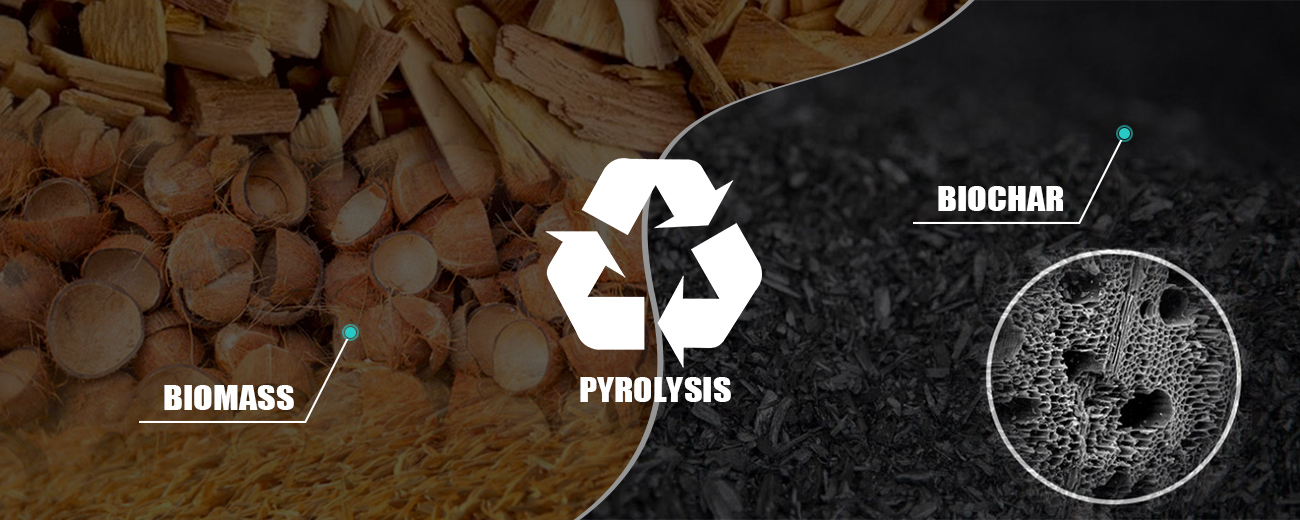
The global demand for charcoal continues to rise across residential, agricultural, and industrial sectors. Traditionally, charcoal production relied heavily on rudimentary earth kilns or brick furnaces. These conventional methods often generated excessive smoke emissions, inconsistent carbonization quality, and significant biomass waste. In response to increasing environmental scrutiny, modern charcoal processing technology has emerged as a more sustainable pathway. The adoption of a machine for making charcoal is now reshaping how biomass residues are converted into usable fuel resources.
Limitations of Traditional Charcoal Production
Conventional charcoal manufacturing methods are generally characterized by low thermal efficiency and uncontrolled combustion conditions. Large volumes of wood are consumed during the carbonization cycle, while volatile gases are frequently released directly into the atmosphere. This contributes to air contamination and unnecessary carbon discharge.
Moreover, traditional kilns typically require extended processing periods. Temperature regulation remains difficult, causing uneven carbon content and unstable calorific value in the final product. For commercial producers, these inconsistencies reduce product competitiveness and operational scalability.
Deforestation is another concern. In many regions, unmanaged wood harvesting for charcoal production places pressure on forest ecosystems and biodiversity preservation initiatives.
Technological Advantages of Modern Charcoal Equipment
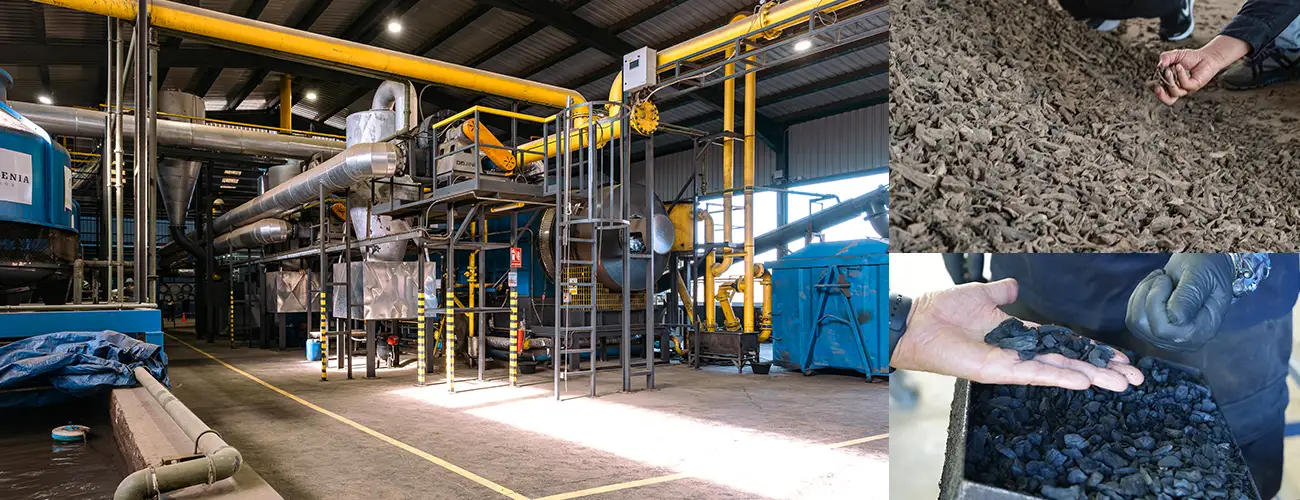
A modern biochar making machine introduces a controlled pyrolysis environment capable of transforming agricultural residues, forestry waste, coconut shells, sawdust, bamboo, and other lignocellulosic materials into high-quality charcoal. Unlike open burning systems, advanced carbonization equipment operates under oxygen-limited conditions, significantly reducing harmful emissions.
Automated temperature regulation is one of the most notable innovations. Sophisticated control systems maintain stable thermal parameters throughout the carbonization phase. Consequently, the resulting charcoal demonstrates improved fixed carbon content, lower ash percentage, and enhanced combustion performance.
Continuous feeding and discharging configurations further optimize productivity. Compared with intermittent kiln operation, continuous carbonization systems minimize downtime and improve overall material throughput. This is particularly advantageous for industrial-scale biomass recycling facilities.
Biomass Utilization and Circular Economy Benefits
A wood charcoal manufacturing machine supports the broader transition toward circular economy practices. Instead of discarding biomass waste through landfilling or incineration, industries can repurpose organic residues into commercially valuable fuel products.
Forestry by-products, palm kernel shells, rice husks, and fruit shells possess substantial calorific potential. Through pyrolysis conversion, these materials become renewable carbon resources suitable for heating applications, barbecue charcoal, activated carbon production, and soil amendment sectors.
Additionally, biochar generated from advanced carbonization systems has gained recognition for its agricultural utility. When incorporated into soil, biochar can improve moisture retention, nutrient adsorption, and microbial activity. This multifunctional characteristic extends the environmental value of modern charcoal machinery beyond fuel generation alone.
Expanding Demand for Specialized Charcoal Production
The diversification of biomass feedstock has also accelerated the development of specialized equipment models. For instance, a coconut charcoal making machine is widely utilized in tropical regions where coconut shell waste is abundant. Coconut charcoal is particularly valued for its high density, extended burning duration, and minimal smoke generation.
Such specialization allows manufacturers to target niche markets with greater precision. Hookah charcoal, barbecue briquettes, metallurgical carbon materials, and industrial heating fuel all require distinct quality specifications that modern machinery can consistently achieve.

Future Outlook of Sustainable Carbonization
As environmental regulations tighten worldwide, cleaner biomass processing technologies are expected to gain broader industrial adoption. Advanced carbonization systems offer measurable improvements in energy efficiency, emission control, and raw material utilization. Their integration into waste-to-energy infrastructures aligns closely with global sustainability objectives.
The transition from primitive kilns to intelligent carbonization equipment represents more than a technological upgrade. It signifies a structural transformation in how biomass resources are managed, valorized, and reintegrated into the renewable energy economy.