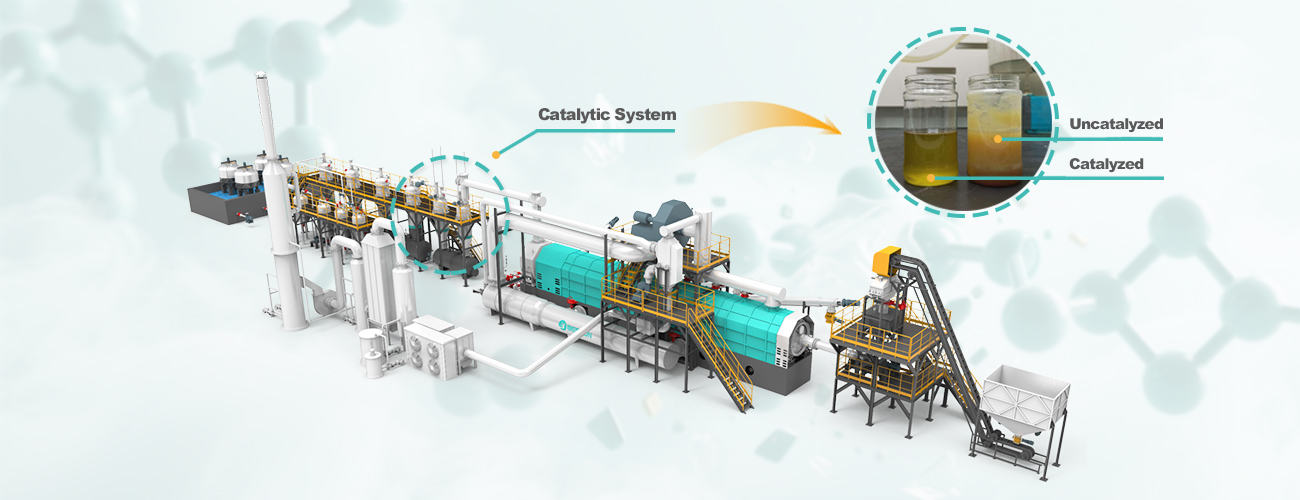
Plastic waste management has emerged as a pressing global concern, compelling industries to adopt innovative solutions. Among these, plastic pyrolysis equipment offers a promising pathway by converting waste plastics into usable fuel. However, the environmental advantages of such technology hinge directly on operational efficiency. Optimizing these systems not only maximizes fuel recovery but also minimizes emissions, energy consumption, and overall ecological impact.
Enhancing Thermal Integration in Plastic Pyrolysis Equipment
Thermal efficiency is paramount for reducing the carbon footprint of a plastic to fuel machine for sale. Inefficient heat transfer can lead to incomplete pyrolysis, generating excessive char and residual contaminants. Incorporating advanced thermal integration techniques—such as hot gas recirculation and multi-stage heat exchangers—ensures uniform reactor temperatures. By precisely controlling temperature profiles, operators can enhance oil yield, reduce feedstock waste, and lower energy consumption. This strategy is particularly critical for continuous waste plastic pyrolysis plant operations, where uninterrupted high throughput magnifies even minor inefficiencies.
Feedstock Preprocessing for Improved Conversion
The properties of incoming plastic feedstock directly influence the performance of a waste plastic to oil machine. Moisture content, particle size, and polymer heterogeneity can affect residence time and pyrolysis kinetics. Implementing preprocessing steps—such as shredding, drying, and density separation—minimizes these variables, allowing for more consistent pyrolytic reactions. Preprocessing not only improves fuel quality but also extends the operational lifespan of plastic pyrolysis equipment by reducing fouling and mechanical stress on reactor components.
Optimizing Reactor Design and Residence Time
Reactor design and residence time are critical determinants of conversion efficiency in a plastic to fuel machine for sale. Tubular, fluidized, and screw-type reactors each present distinct heat transfer and mixing characteristics. Selecting the appropriate reactor type, combined with real-time monitoring of feedstock flow, enables precise control over polymer breakdown. Adjusting residence time ensures complete pyrolysis of complex polymers without overexposing simpler plastics, which can generate unnecessary tar or gas byproducts. Continuous waste plastic pyrolysis plant designs particularly benefit from modular reactors with adjustable residence zones, facilitating scalable, energy-efficient operations.

Advanced Condensation and Oil Recovery Systems
Oil recovery efficiency significantly affects both environmental and economic outcomes. Incorporating multi-stage condensation systems and fractional distillation techniques in waste plastic to oil machine operations enhances oil purity and minimizes hydrocarbon loss. Condensation systems should be designed to capture light fractions without generating excessive wastewater or volatile emissions. When properly optimized, these measures ensure that plastic pyrolysis equipment delivers high-quality fuel while adhering to stringent environmental standards.

Emission Control and Environmental Safeguards
Reducing the environmental footprint of plastic pyrolysis equipment requires rigorous emission management. Combustion byproducts such as NOx, SOx, and volatile organic compounds can be mitigated through catalytic converters, scrubbers, and high-temperature afterburners. In continuous waste plastic pyrolysis plant setups, integrated exhaust treatment units allow for real-time monitoring and rapid corrective actions, ensuring compliance with environmental regulations. Combining emission control with energy recovery strategies, such as using waste heat to preheat feedstock, further amplifies overall efficiency.
Preventive Maintenance and Operational Best Practices
Even the most technologically advanced plastic to fuel machine for sale can underperform without consistent maintenance. Routine inspections, lubrication of moving components, and cleaning of condensers and filters prevent unexpected downtime and reduce energy inefficiencies. Implementing a predictive maintenance schedule based on sensor data and thermal profiles helps operators maintain peak performance over extended periods, directly translating into reduced environmental impact per unit of fuel produced.
Optimizing plastic pyrolysis equipment requires a holistic approach encompassing reactor design, feedstock management, thermal integration, oil recovery, emission control, and maintenance protocols. By aligning operational efficiency with environmental safeguards, plastic to fuel machines and continuous waste plastic pyrolysis plants can deliver substantial ecological benefits while generating high-value energy products.