Palm waste, a byproduct of the palm oil industry, has increasingly been recognized for its potential as a feedstock in pyrolysis processes. The palm oil industry generates vast amounts of waste, including empty fruit bunches, palm kernel shells, and fronds, which often pose disposal challenges. However, through pyrolysis, this waste can be transformed into valuable products, including biochar, bio-oil, and syngas. The conversion of palm waste into these products offers numerous economic and environmental benefits, making it a compelling solution for sustainable waste management.
1. The Role of Pyrolysis in Palm Waste Processing
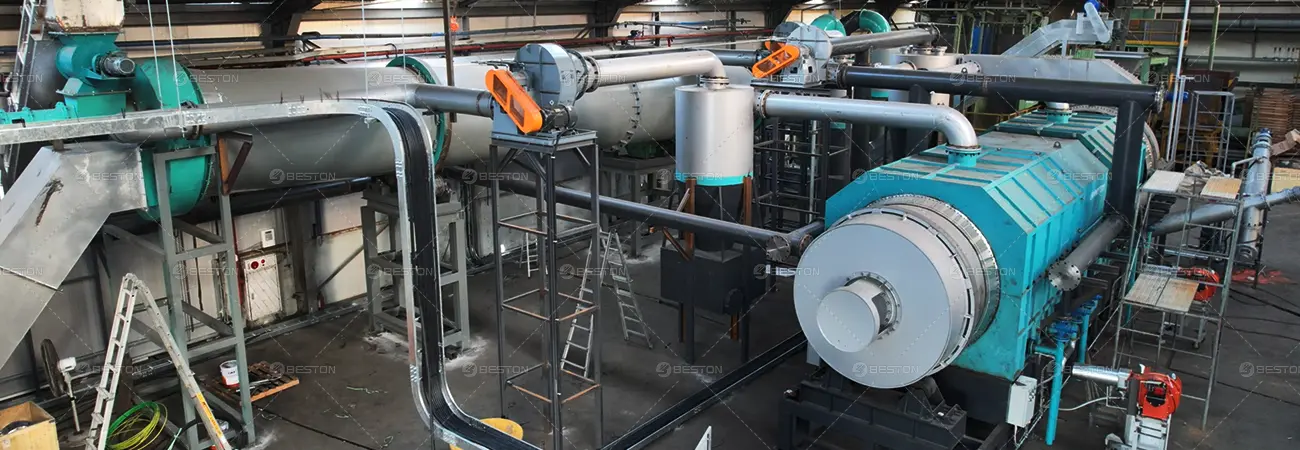
Pyrolysis is a thermochemical process that decomposes organic material in the absence of oxygen at elevated temperatures. This process is particularly effective for palm waste due to its high carbon content and its ability to be converted into useful byproducts. The primary products of pyrolysis are biochar, which can be used as a soil amendment, bio-oil, which has various industrial applications, and syngas, which can be used as an energy source. A charcoal making machine is specifically designed to carry out this process efficiently, maximizing the value extracted from palm waste.
Energy Efficiency and Sustainability
One of the primary benefits of using pyrolysis for palm waste is its energy efficiency. The process itself produces syngas, which can be used to fuel the pyrolysis plant, reducing the need for external energy sources. This creates a closed-loop energy system, improving the overall sustainability of the operation. Additionally, biochar produced during pyrolysis can be used to enhance soil quality, capturing carbon and reducing greenhouse gas emissions, thus contributing to environmental sustainability. The use of palm waste in pyrolysis also reduces the environmental impact associated with traditional disposal methods, such as open burning or landfill storage.
2. Economic Value of Pyrolysis Products
The economic value derived from palm waste pyrolysis is significant. Biochar, one of the key products, has a wide range of applications in agriculture and environmental remediation. It improves soil fertility, water retention, and carbon sequestration, making it a highly sought-after product for the agricultural industry. The demand for biochar has been growing steadily as more farmers and environmentalists recognize its benefits for soil health and climate change mitigation.
Bio-oil as an Alternative Fuel
Bio-oil, another byproduct of palm waste pyrolysis, is an important alternative fuel that can be used in various industrial applications. Bio-oil can be refined into chemicals, fuels, and other materials, offering a sustainable alternative to petroleum-based products. With the increasing global push towards renewable energy, the demand for bio-oil is expected to rise, making it a valuable product for industries looking to reduce their carbon footprint.
Syngas for Energy Production
Syngas, the gaseous byproduct of pyrolysis, can be used as a clean source of energy for power generation. It can be utilized within the palm kernel shell charcoal machine to fuel the process itself or sold as a supplementary energy source. The ability to produce syngas from palm waste not only adds value to the overall process but also contributes to local energy needs, especially in rural or remote areas where energy access may be limited. By transforming waste into energy, pyrolysis helps address both waste disposal and energy production challenges.
3. Environmental Impacts and Waste Reduction
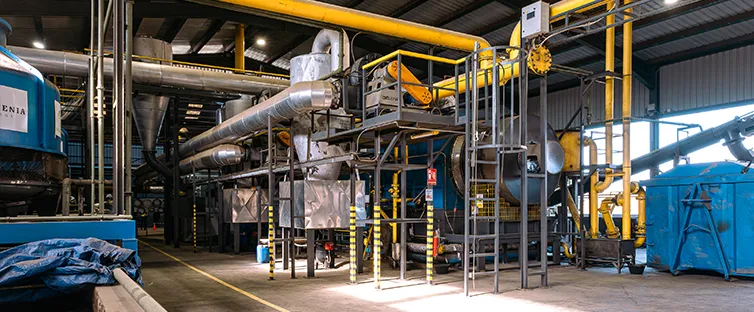
One of the most compelling reasons to invest in palm waste pyrolysis is its environmental impact. Palm oil production is associated with deforestation and large-scale waste generation. By utilizing palm waste for pyrolysis, this waste is diverted from landfills or incineration, reducing its negative environmental footprint. Furthermore, pyrolysis reduces the need for traditional waste disposal methods that may lead to air pollution, water contamination, and other environmental hazards. The process also reduces the emission of methane and other harmful gases associated with the decomposition of organic waste in landfills.
Carbon Sequestration Potential
The biochar produced through pyrolysis has significant carbon sequestration potential. When used as a soil amendment, biochar locks carbon into the soil for long periods, helping to mitigate the effects of climate change. As a stable form of carbon, biochar can remain in the soil for hundreds or even thousands of years, making it an effective tool for carbon capture and storage. This not only offsets the carbon emissions from the palm oil production process but also provides a valuable service in climate change mitigation efforts.
4. Challenges and Considerations
Despite the numerous benefits of palm waste pyrolysis, several challenges must be addressed. The initial capital investment required to establish a biochar making machine can be significant. Additionally, the efficiency of the pyrolysis process is influenced by factors such as feedstock composition, reactor design, and operating conditions. Optimizing these parameters to ensure consistent and high-quality output is essential for maximizing the economic and environmental benefits of the process.
Moreover, the collection and transportation of palm waste to the pyrolysis plant can incur additional costs. Ensuring that the palm waste feedstock is clean, dry, and free from contaminants is essential for achieving high-quality pyrolysis products. Despite these challenges, the long-term benefits of pyrolysis for palm waste are evident, and with technological advancements and increasing demand for sustainable solutions, the process is becoming more viable and economically attractive.
5. Future Outlook
The pyrolysis of palm waste holds significant potential as a sustainable solution for waste management, energy production, and carbon sequestration. As the global demand for renewable energy and sustainable agriculture practices continues to rise, the value of palm waste as a feedstock for pyrolysis will likely increase. Continued research and development in pyrolysis technology will enhance the efficiency and cost-effectiveness of the process, making it an even more attractive solution for industries and communities alike. Need an experienced palm oil waste management solutions provider? Beston Group Co., Ltd. is your top choice.